


1- Experimental difficulties
For organic silicon additives, the formation of a smooth effect is a dynamic process. In practical applications, the degree of stretching and migration of organic silicon chain segments largely determines whether the performance of the additive can be effectively exerted.
The contradiction is that we need the organic silicon PDMS chains to be long and dense enough to evenly cover the coating surface, but we also need to avoid being too dense, which can cause interference between chain segments and affect migration rate. Excessive compatibility, thick wet film thickness, and short migration opening time may to some extent reduce the migration rate of organic silicon additives.
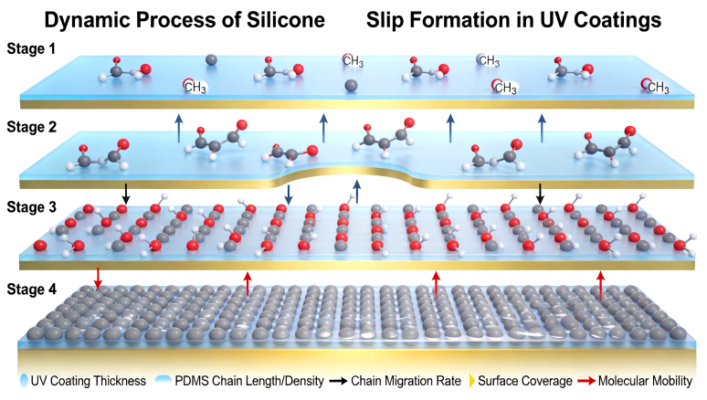
There are research results showing that the kinetic friction of water droplets moving on the nano organic silicon PDMS layer depends on the thickness of the organic silicon PDMS layer, and the kinetic friction force is the lowest when the layer thickness is 4.7 nm. If the thickness is lower or higher than the above values, the kinetic friction force will increase.
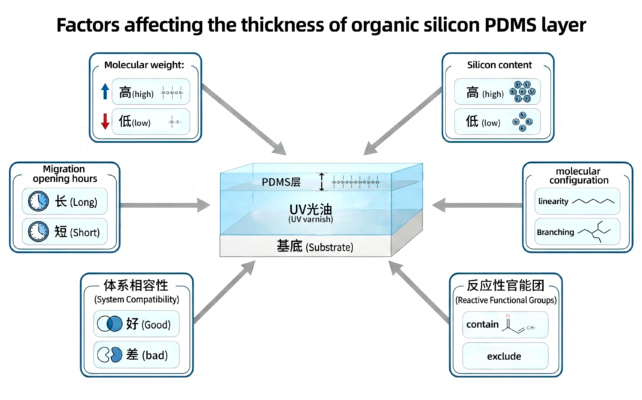
The thickness of organic silicon PDMS layer is closely related to its molecular weight, silicon content, molecular configuration, reactive groups, system compatibility, migration open time, and system viscosity, and requires practical testing and verification
2- Elimination of astringency
The greater the difference between static and dynamic friction forces (i.e., static dynamic friction difference), the stronger the tendency for the “stick slip phenomenon”, and this unstable, jumping motion is the core physical source of the perceived “astringency” in the human body. The intensity of astringency is not solely determined by the static dynamic friction difference, but is also closely related to the absolute value of the dynamic friction force itself.
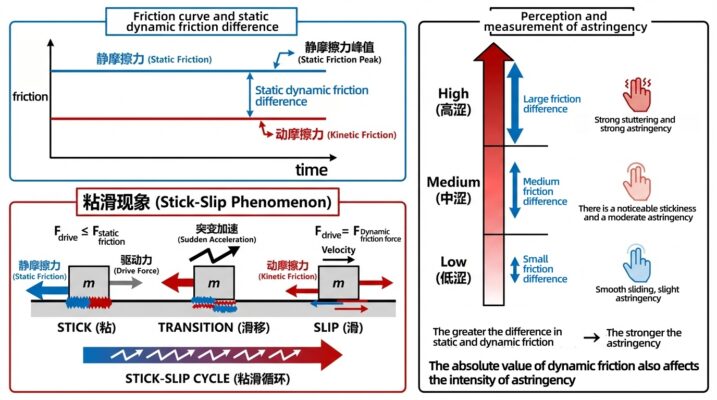
The relationship between static and dynamic friction difference and coating roughness
The phenomenon of stick slip is very common, occurring in daily life such as strange noises when opening doors, writing with chalk, playing violin music, geological movements – earthquakes, etc.
This experimental test is based on commercially available UV varnish, with a quantitative addition of 1% organic silicon polymer additive to the formula. A wire rod is used to coat the same substrate, and the test results are as follows:
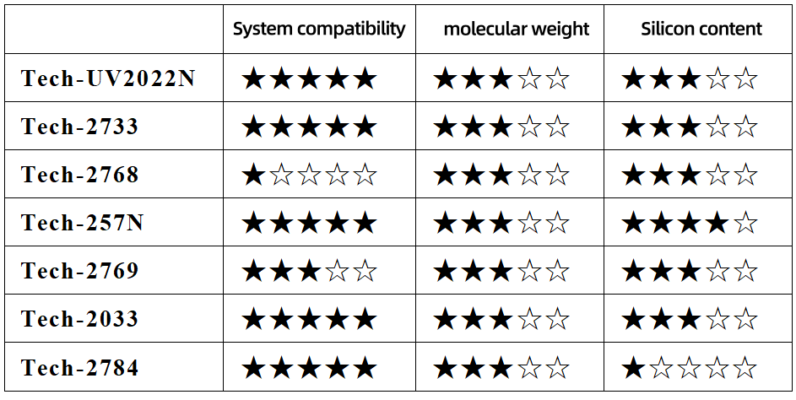
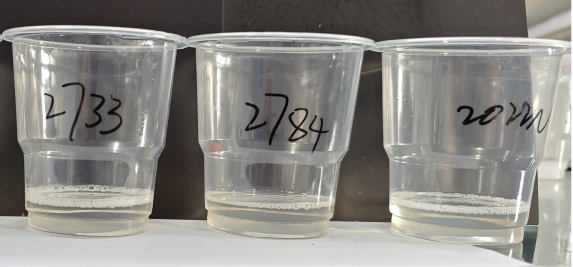
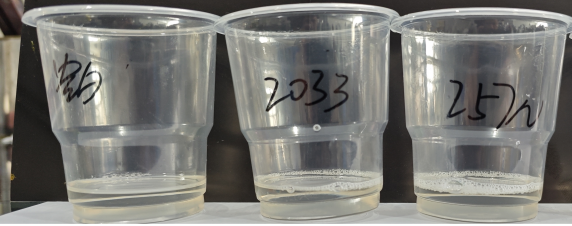
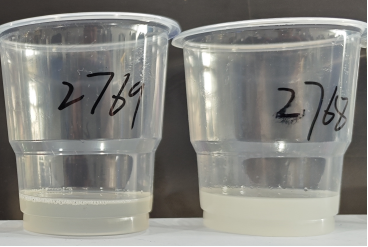
● UV Oil Compatibility – Test Results
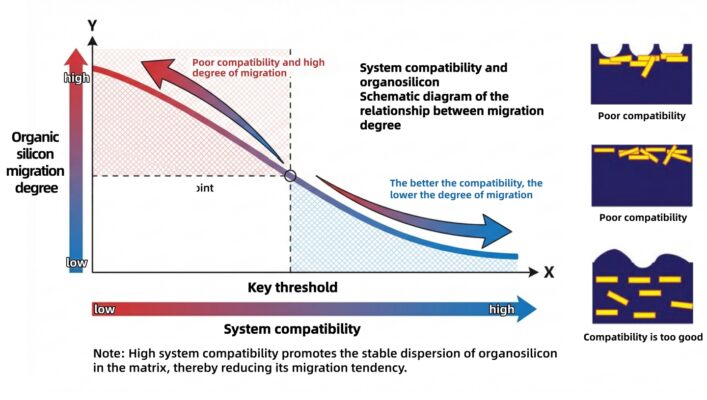
The poor compatibility of UV varnish is the main cause of coating turbidity, haze, opacity or yellowing, which seriously affects the quality of high gloss and transparent products. During testing, Tech-UV2022N, Tech-2733, and other compatible devices performed well. But good compatibility may lead to a decrease in the migration efficiency of organosilicon.
● Friction coefficient COF test results
The friction coefficient COF (wet film thickness controlled at 18um and short migration open time) of 7 organic silicon additives in the UV light oil system was experimentally compared. The BGD-633 friction coefficient tester was used to test the surface smoothness of the coating after adding the additives, using the GB-T10006-2021 testing standard. The test results are as follows:
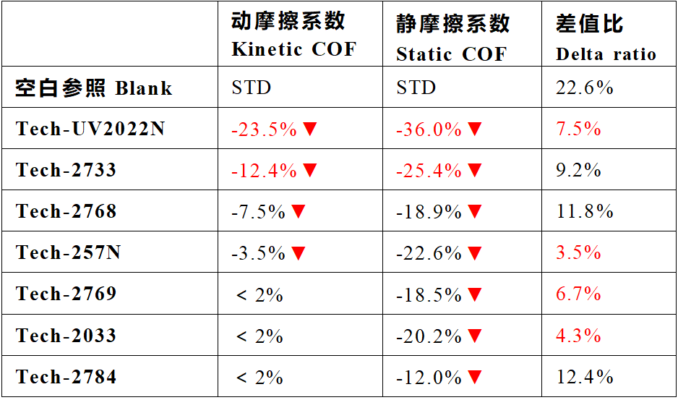
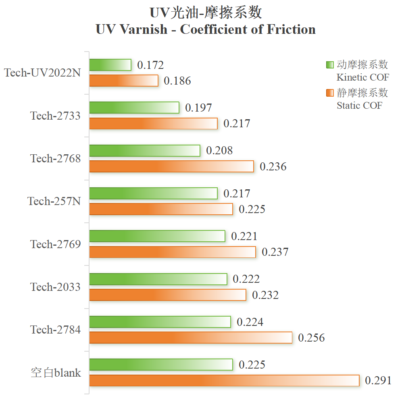
Experimental data shows that the surface friction coefficient of UV coatings with added organic silicon additives has decreased. Among them, Tech-2022N showed excellent performance in sliding friction testing. Compared with the blank control group, its dynamic friction coefficient and static friction coefficient decreased significantly by 23.5% and 36.0%, respectively. The ratio of static to dynamic friction coefficient difference was only 7.5%, and the stick slip phenomenon was significantly reduced, with excellent sliding sensation.
● Water droplet angle – test results
The larger contact angle of water droplets on the surface of the coating usually indicates that the coating has good anti fouling and self-cleaning properties. This low surface energy surface is not easy to adsorb pollutants and moisture, which can prolong the service life of the material. Moreover, microorganisms are difficult to adhere to low surface energy surfaces, thereby reducing the formation of biofilm.
The experimental test adopted ASTM D7334-13 testing standard, and the water droplet angle degrees of each coating were measured as follows:
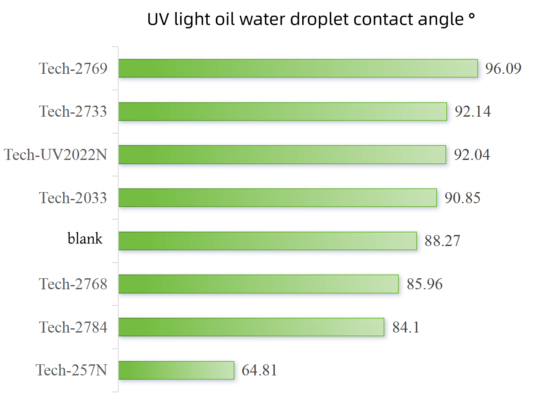
Experimental data shows that Tech-UV2022, as a high-performance block modified organic silicon polymer with reactive groups, exhibits excellent compatibility, low dynamic friction coefficient (0.172), and high droplet angle (92.04 °) in UV light oil systems. While endowing the coating with excellent hand feel, it also provides good wear resistance, scratch resistance, stain resistance, and adhesion resistance.
At the same time, Tech-257N’s low water drop angle (64.81 °) is very suitable for multi coating processes. Low water drop angle is a necessary condition for wetting during recoating, with a static dynamic friction coefficient difference ratio of only 3.5%, which means there is almost no stick slip phenomenon and effectively reduces jerkiness.
What to do if quick-drying diluents cause dullness and orange peel effect?
Configuration and Performance Mechanism of Water based Organosilicon Additives
Product recommendation | Improvement of wear resistance of SPC flooring
UV Wood Coating Additive Supporting Solution (with Formula)
UV industry | Mechanism of adhesion promotion