01 Sources of Performance Differences
Utilizing the various properties of silicones to act at the interfaces of slurry surfaces or within cross-linking systems—for example, using the flexible migration properties of silicones for substrate wetting, surface leveling, and defoaming; Utilizing the surface energy-reducing properties of silicones to achieve slip, anti-smudging, and wear and scratch resistance; utilizing the hydrolytic properties of silicones to serve as coupling agents, adhesion promoters, crosslinking agents, and dispersants; and modifying resins with reactive silicones containing functional groups to impart properties such as low-temperature flexibility, slip, and resistance to water and salt spray.
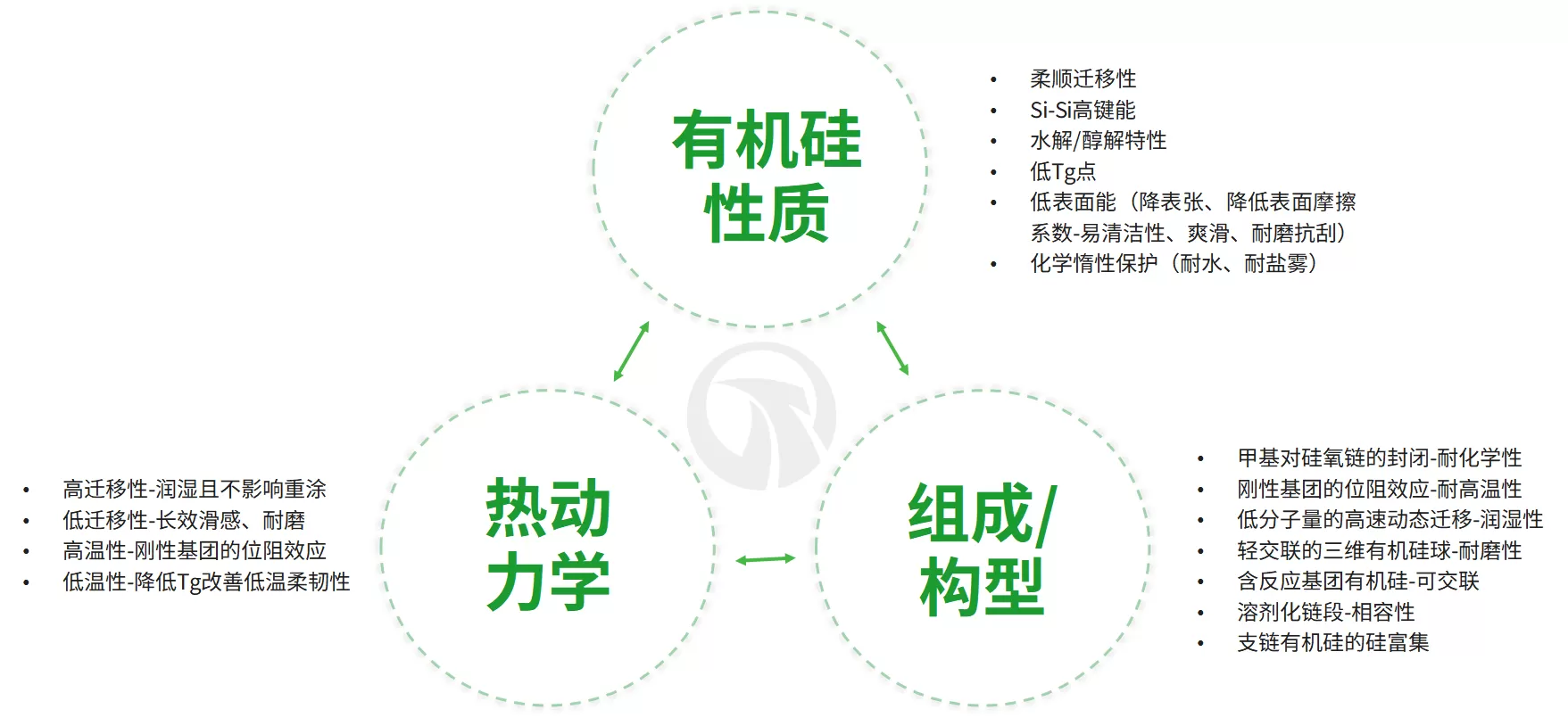
The differences in the aforementioned properties result from the complex interactions among the nature of silicones, their composition and structure, and interfacial thermodynamics and kinetics. This article explains the mechanisms of action and basic structures of nine water-based silicone additives, and we hope you find it helpful.
02 The Four Major Properties of Silicone Chains
①Interface Migration
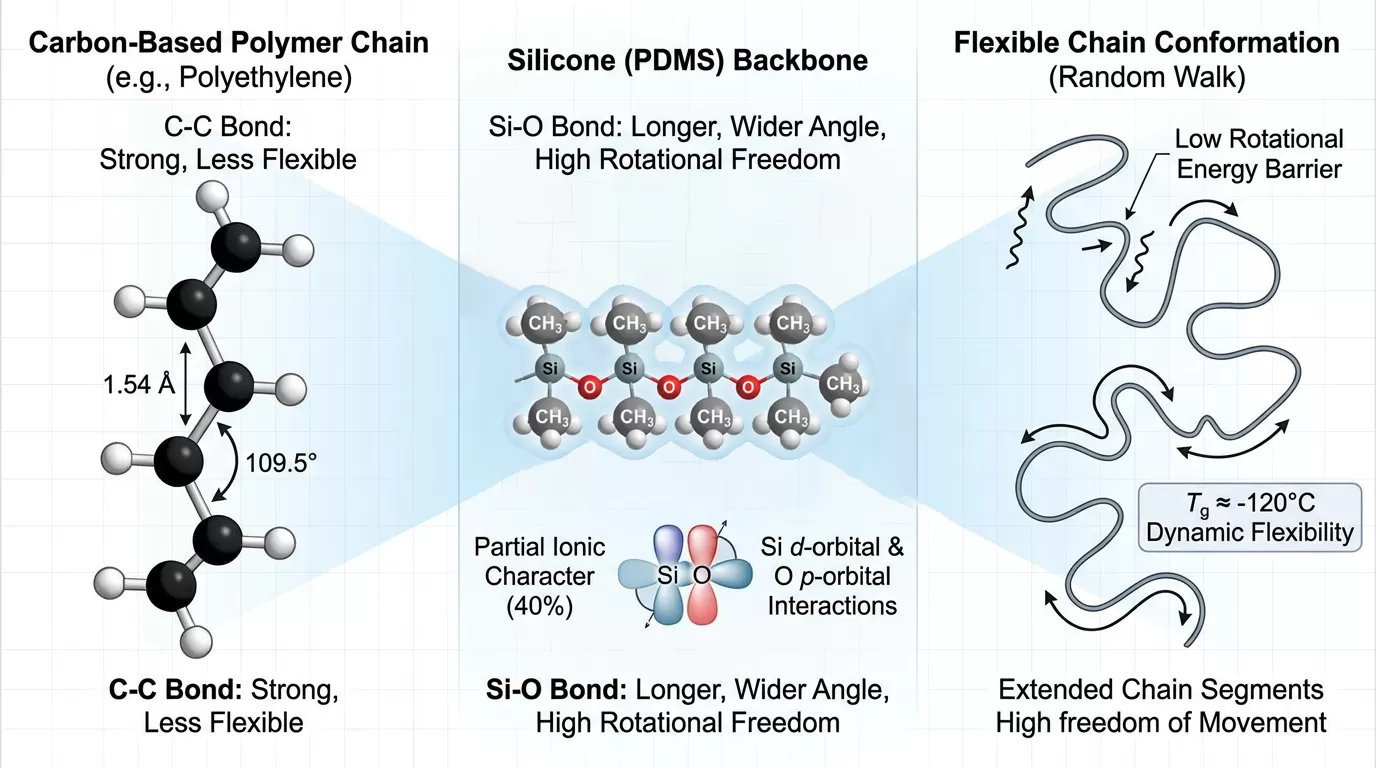
The polysiloxane main chain exhibits an extremely low rotational barrier and an exceptionally long segment length; this dynamic flexibility serves as the kinetic basis for the interfacial behavior (such as migration and spreading) of silicone additives. For example, the Tg of commonly used polydimethylsiloxane (PDMS) ranges from -125°C to -120°C, which means it exhibits strong microscopic Brownian motion capabilities at room temperature and at all temperatures encountered in coating applications.
,

②Low surface energy/hydrophobicity
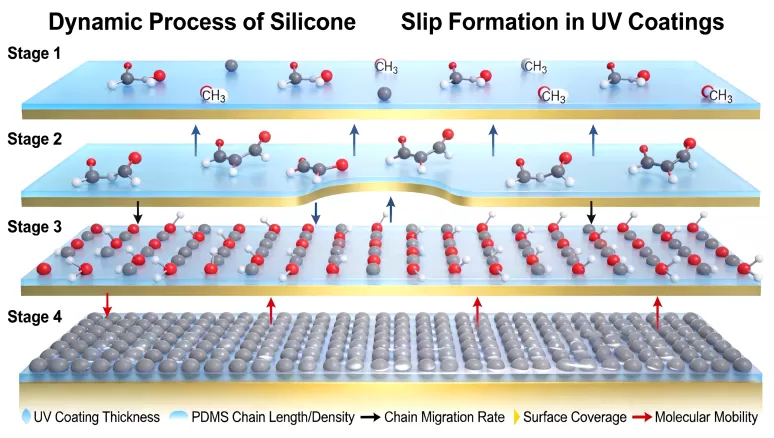
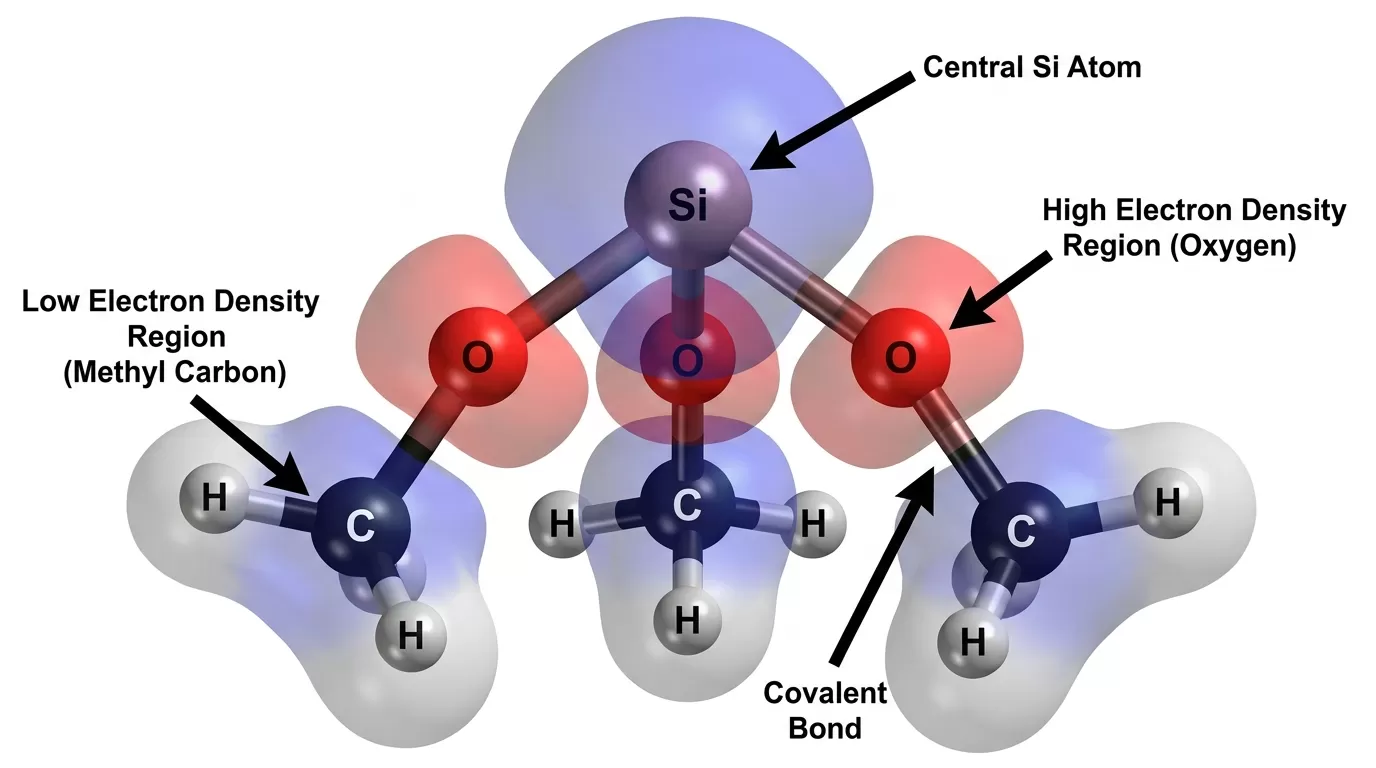
The methyl groups (Si-CH₃) on the silicone chain have low surface energy and hydrophobic properties. During silicone migration (liquid-to-gas transition), they extend outward and migrate to the interface first, resulting in low surface energy (e.g., PDMS surface tension of approximately 20–22 mN/m), a high contact angle, and a certain degree of release properties.
③Thermal Stability and Chemical Inertness
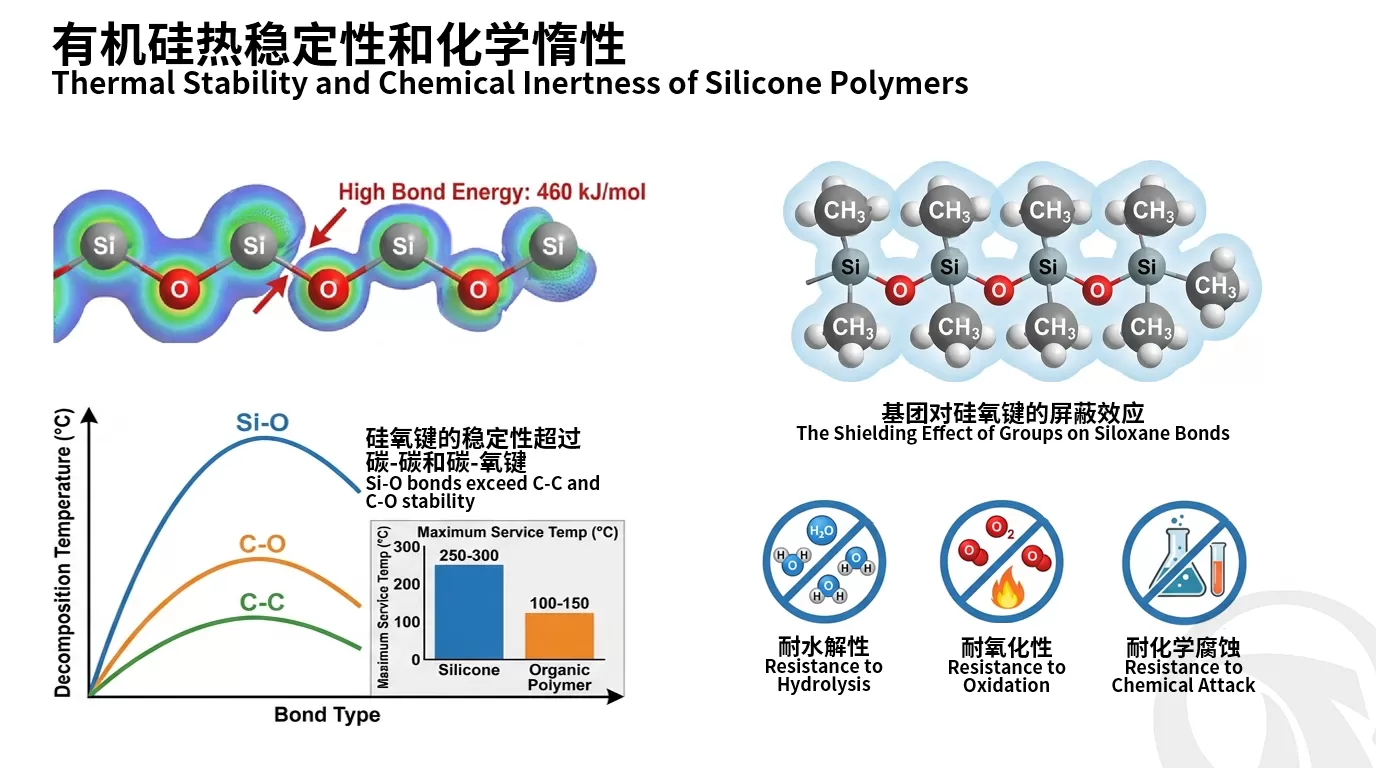
Compared to carbon-carbon chains, siloxane chains exhibit superior thermal stability and chemical inertness. The bond energy of the Si-O bond in the silicone backbone (approximately 460 kJ/mol) is greater than that of the C-C bond (approximately 348 kJ/mol) and the C-O bond (approximately 358 kJ/mol). siloxane chains remain stable over extended periods at temperatures between 180°C and 200°C and can withstand temperatures above 250°C for short periods. Furthermore, the introduction of rigid groups (such as aryl groups and polyesters) prevents reactants such as water and ions from approaching and attacking the siloxane bonds, while also restricting the thermal motion of the silicon chains, enabling them to withstand temperatures of 250°C over extended periods.
For water-based polyether-modified silicone products, due to the limitation that the ether bond (-C-O-C-) breaks down under the influence of high temperatures and oxygen, their long-term stable operating temperature is typically below 150°C, though they can withstand temperatures of 180–200°C for short periods (e.g., within 30 minutes). For high-temperature water-based systems, it is safer to use products such as silicone-modified polyacrylates.
④Ionic Properties/Hydrolysis
Due to the difference in electronegativity between silicon (electronegativity 1.9) and oxygen (electronegativity 3.5), the terminal Si-O bond exhibits approximately 40% ionic character, causing it to undergo hydrolysis or alcoholysis reactions with OH⁻ in water and RO⁻ in alcohols. By utilizing groups such as methoxy (-OCH₃), ethoxy (-OC₂H₅), and chlorine (-Cl) groups on the silicon atom to enhance reactivity. This property increases the density of the cross-linked network and improves anchoring to the substrate, thereby enhancing adhesion to glass surfaces.
03 Configuration and Performance Features
1、Water-Based Silicone Substrate Wetting Agent
“Wetting” is a dynamic process. Wetting agents have low molecular weights and very low static surface tension (21–23 mN/m), and exhibit high mobility and strong surface tension-reducing properties (anti-cratereing/penetration). Wetting agents generally act at the solid-liquid interface, providing a surface tension lower than that of the substrate, and can rapidly spread across interfaces with low surface energy (such as plastic and silicone rubber surfaces).
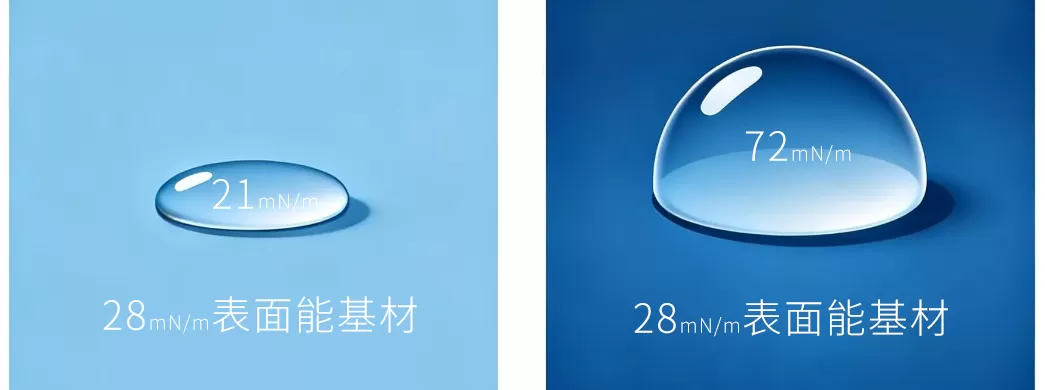
Water-based silicone wetting agents cause liquid droplets to spread out
Because the silicone chains in the wetting agent are very short, they cannot produce a slippery feel, and their high mobility also means they do not affect recoatability. Typical water-based trisiloxane wetting agents (e.g., n=0, m=1) exhibit high migration activity and are suitable for use under stable conditions at pH 6–8; as the value of n increases, the siloxane chain becomes longer, and the silane-methyl shielding effect strengthens, which can improve pH tolerance (e.g., pH 3–12), but the migration activity required for rapid wetting is correspondingly reduced.
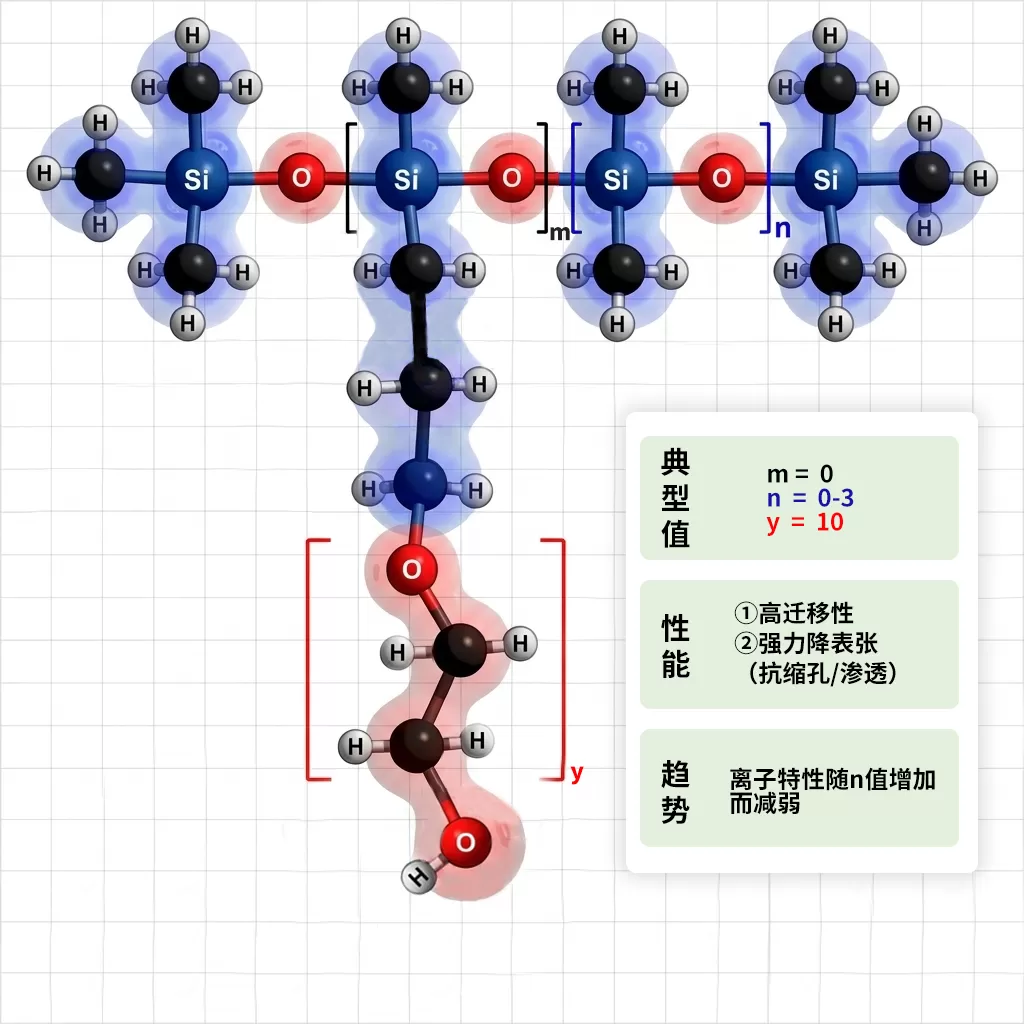
Typical Configurations and Performance Trends of Water-Based Silicone Wetting Agents
It is worth noting that not all wetting agents are effective. Whether they can effectively wet a surface depends on factors such as the surface energy of the substrate, application speed, wet film thickness, and open time of the paint film. Furthermore, a lower surface tension is not necessarily better; excessively low surface tension may cause pinholes and edge shrinkage, so selecting the appropriate product is crucial. In high-speed printing and high-speed grinding applications, the ability to reduce dynamic surface tension is particularly critical.
2、Water-Based Silicone Wetting and Leveling Agent
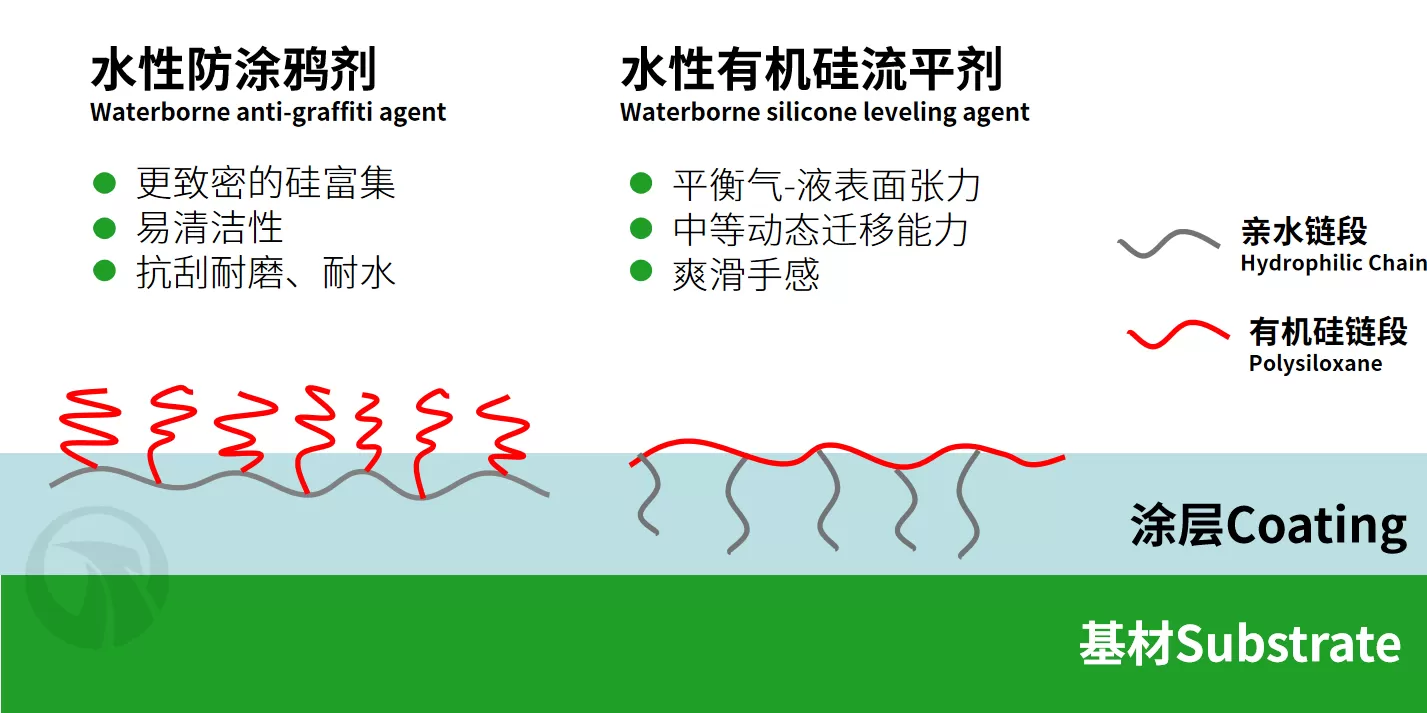
Compared to wetting agents, wetting and leveling agents have a higher proportion of (polyether) modification and longer siloxane chains. By increasing the proportion of ethylene oxide (EO) in the polyether segments, the long siloxane chains required for leveling (e.g., n=10) can also achieve good water compatibility, thereby enabling a uniform reduction in surface tension.
Wetting and leveling agents provide a lower static surface tension than resins (around 25 mN/m, generally higher than that of wetting agents), reduce surface tension more uniformly than wetting agents, and act primarily at the gas-liquid interface.
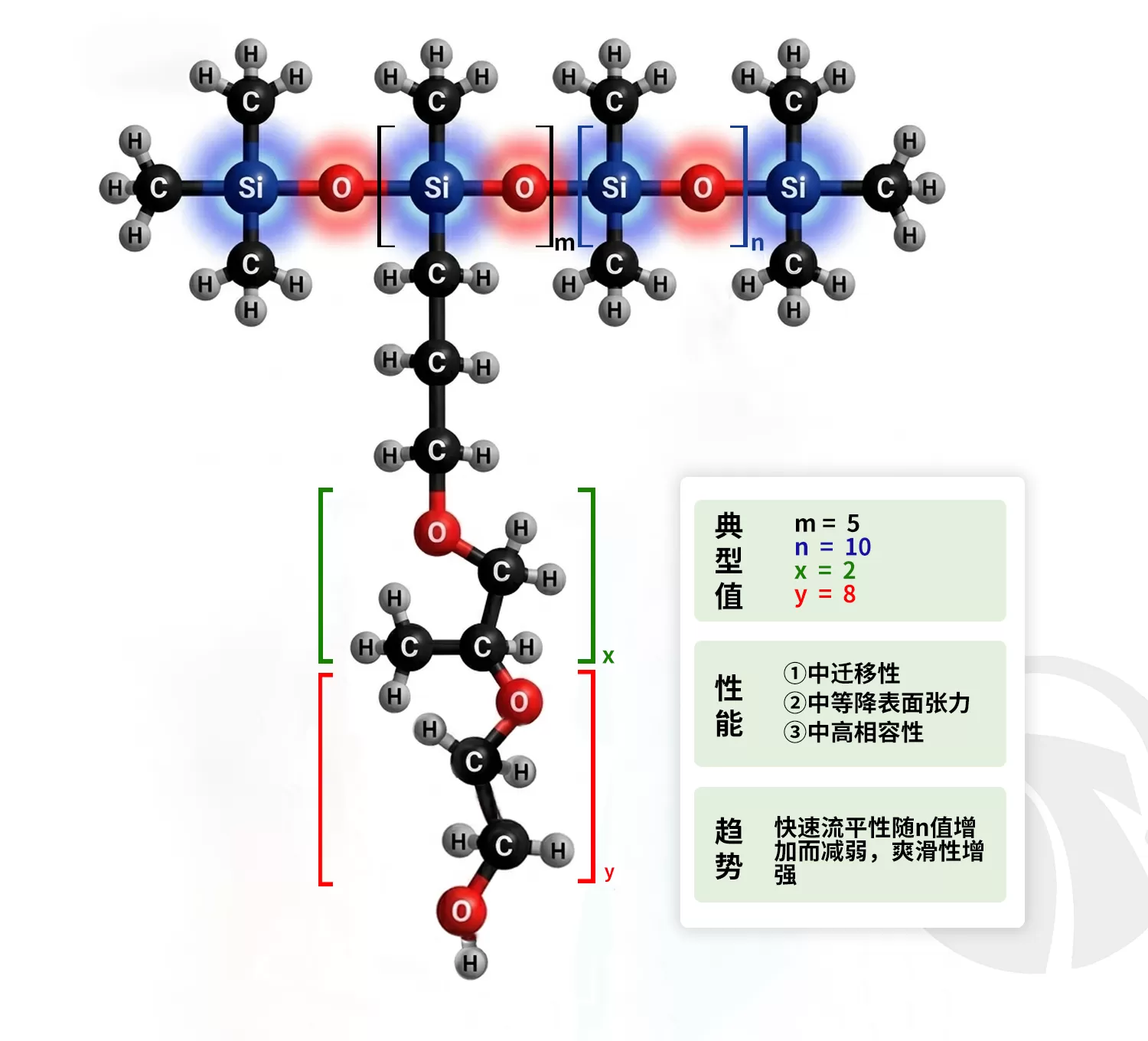
The essence of leveling is to uniformly reduce the static surface tension of the slurry at its surface (gas-liquid, liquid-solid) through the self-migration of organosilicon compounds, thereby eliminating defects such as orange peel caused by uneven or fluctuating surface tension during drying (the Marangoni effect).
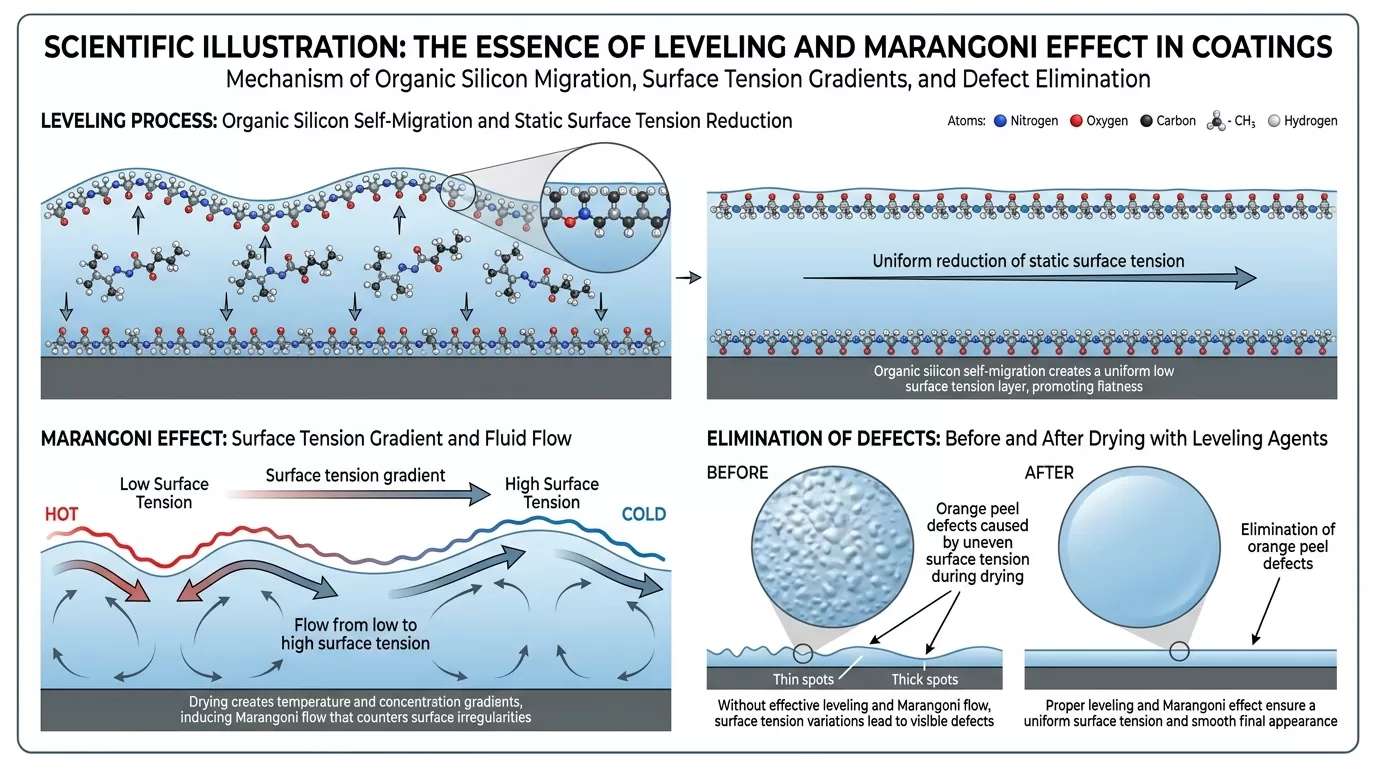
Longer silicone chains provide a smooth feel and scratch resistance, but may also compromise instantaneous leveling performance and lead to issues with foam stability and recoatability/intercoat adhesion; therefore, appropriate recommendations are crucial.
3、Water-Based Silicone Defoamer
The incompatibility between siloxane chains, propylene oxide (PO), and water is utilized to disrupt the bubble membrane. The bubble membrane within a liquid is typically formed by surfactants (especially ionic surfactants); water-based silicone defoamers can rapidly migrate to the gas-liquid interface, where they promote the rise of bubbles and break the bubble membrane.
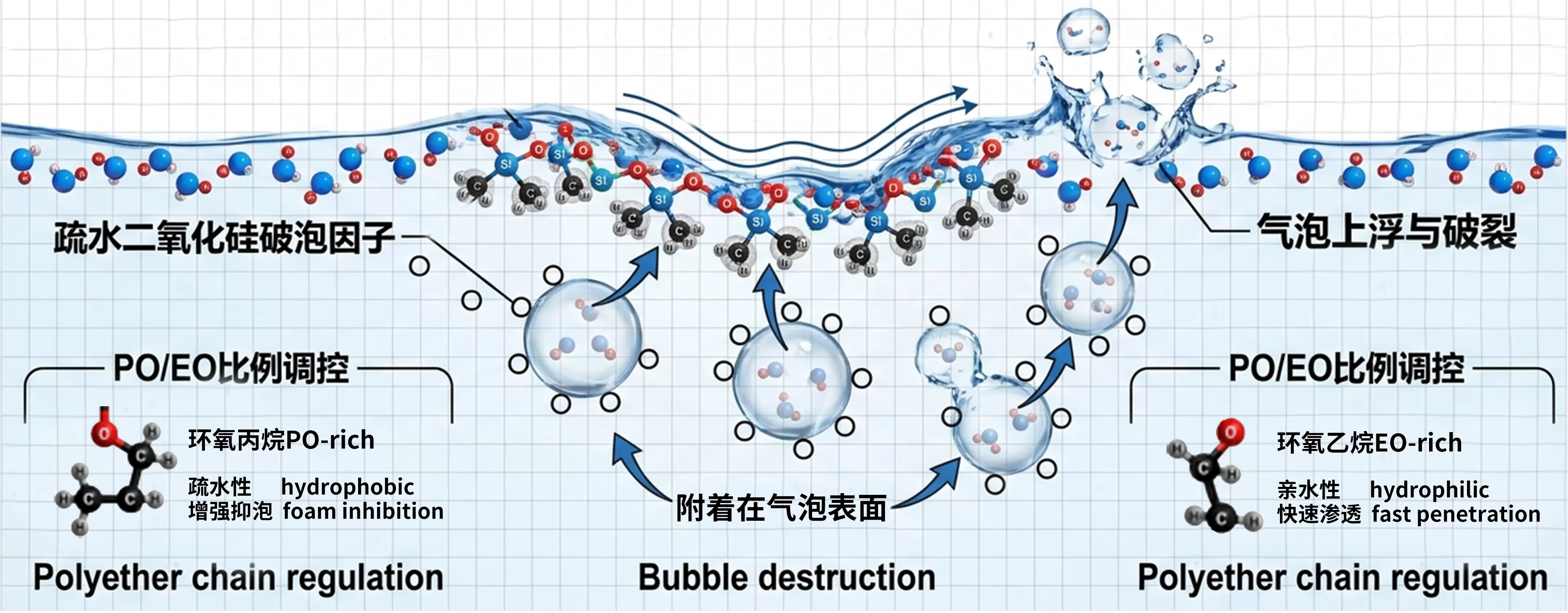
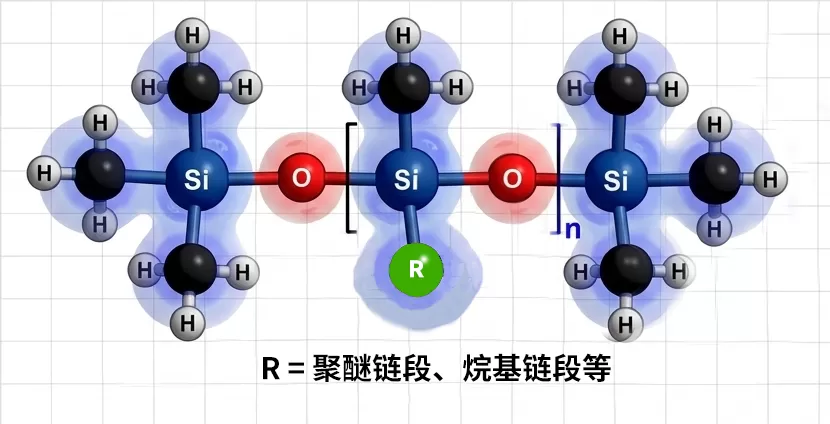
By adjusting the ratio of propylene oxide (PO) to ethylene oxide (EO) in the polyether segments of poly(methylsiloxane) defoamers modified with polyether, the HLB value can be controlled to balance the defoamer’s incompatibility with water and its dispersibility; for example, increasing the ethylene oxide (EO) ratio can impart self-emulsifying properties to the defoamer. The defoaming performance of water-based defoamers can also be improved by adding ultrafine hydrophobic silica as a defoaming agent (bentonite or a dispersant can be added to prevent silica sedimentation). Unlike polydimethylsiloxane, polymethylsiloxane has a higher surface tension and does not impart a slippery feel.
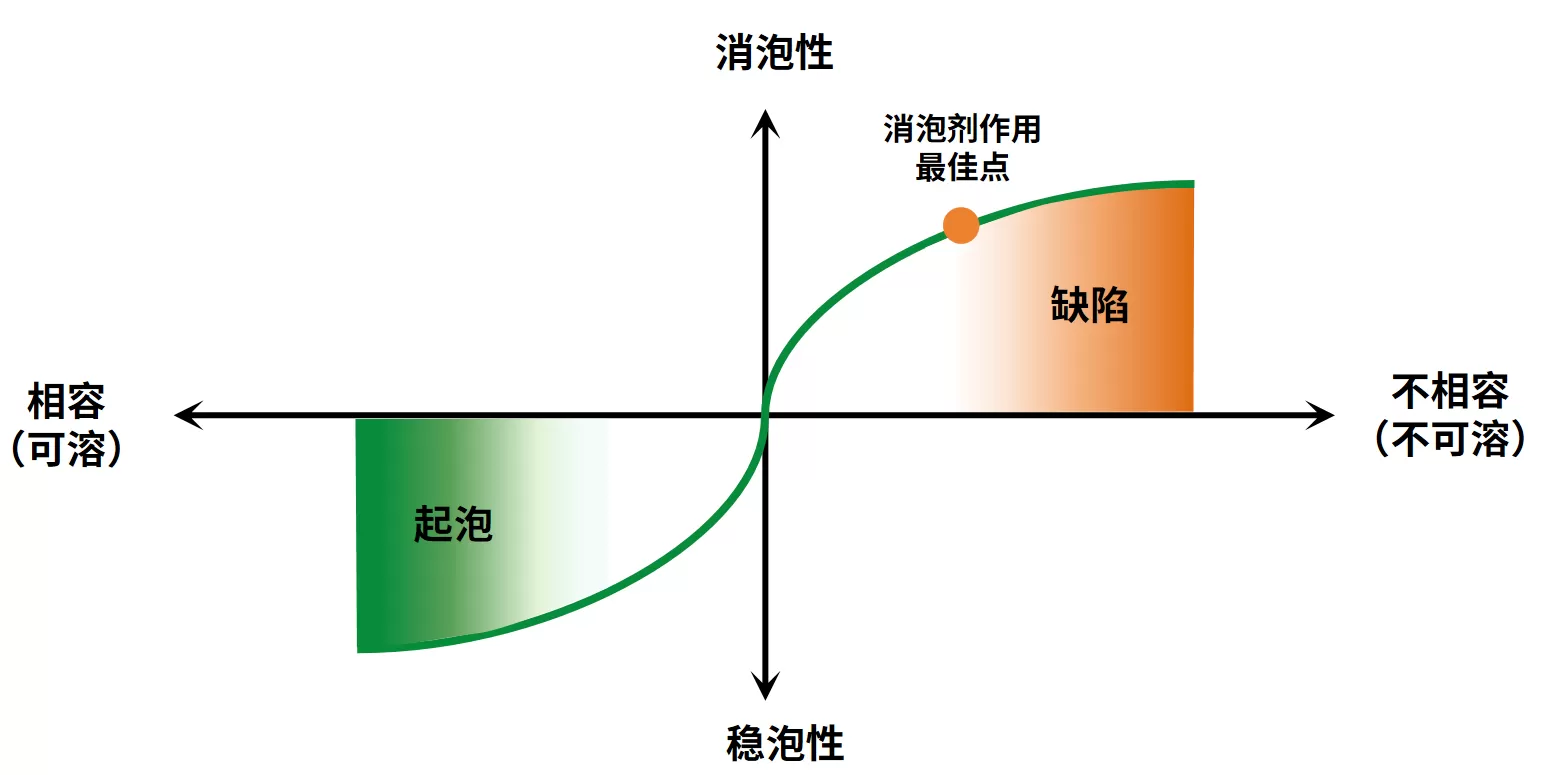
Controlling critical compatibility is key to effective defoaming. Some defoamers emulsified using surfactants are at risk of demulsification under high shear (especially in systems containing co-solvents), so selecting the appropriate product is crucial.
4、Water-Based Anti-Graffiti Additive
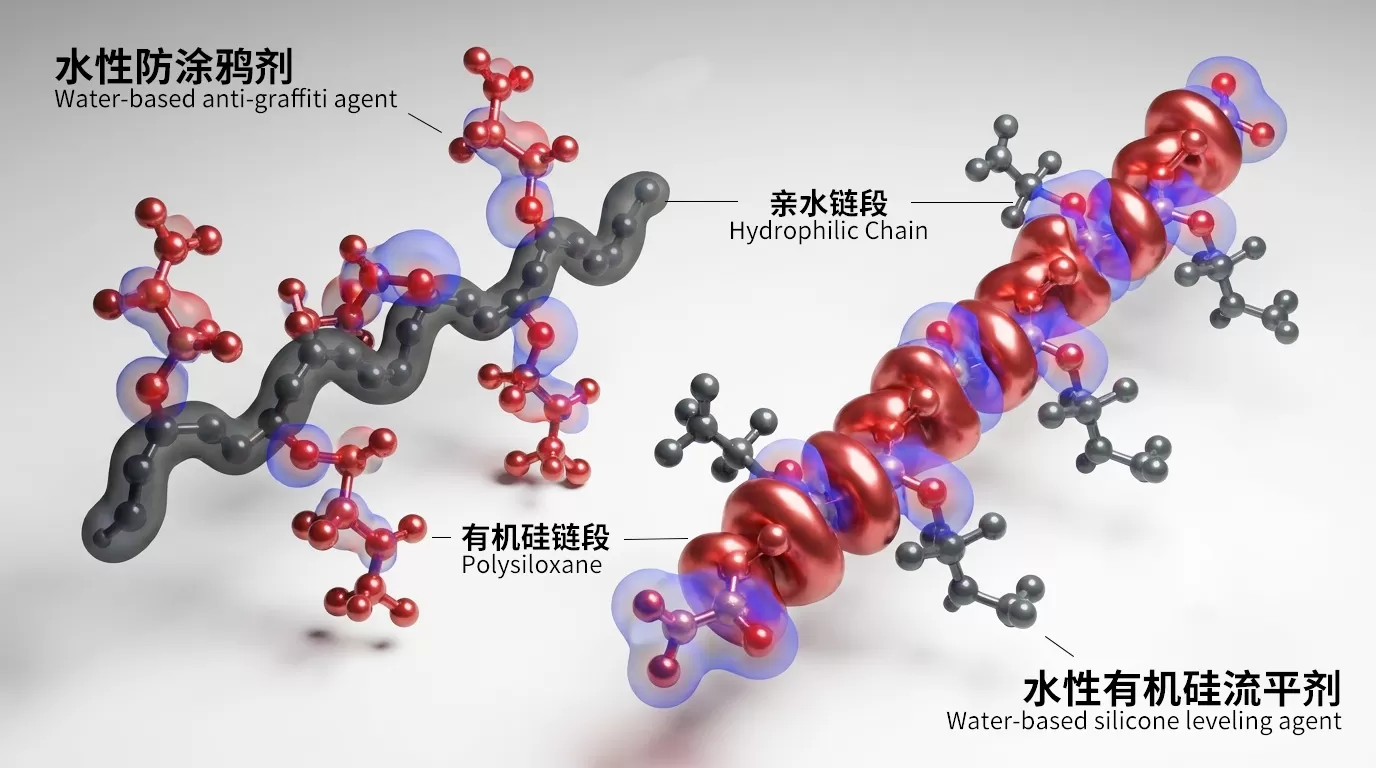
Unlike leveling agents, when a solvent-soluble segment (such as polyether) serves as the main chain, the silicone segment acting as a side chain has greater freedom of movement and lower steric hindrance, allowing it to extend into narrower, uncovered spaces. Furthermore, the silicone chains can accumulate and stack effectively on the coating surface, resulting in a higher silicone density per unit area of the coating surface, thereby significantly enhancing the coating’s graffiti resistance and ease of cleaning.
5、Water-Based Wear-Resistant Lubricant
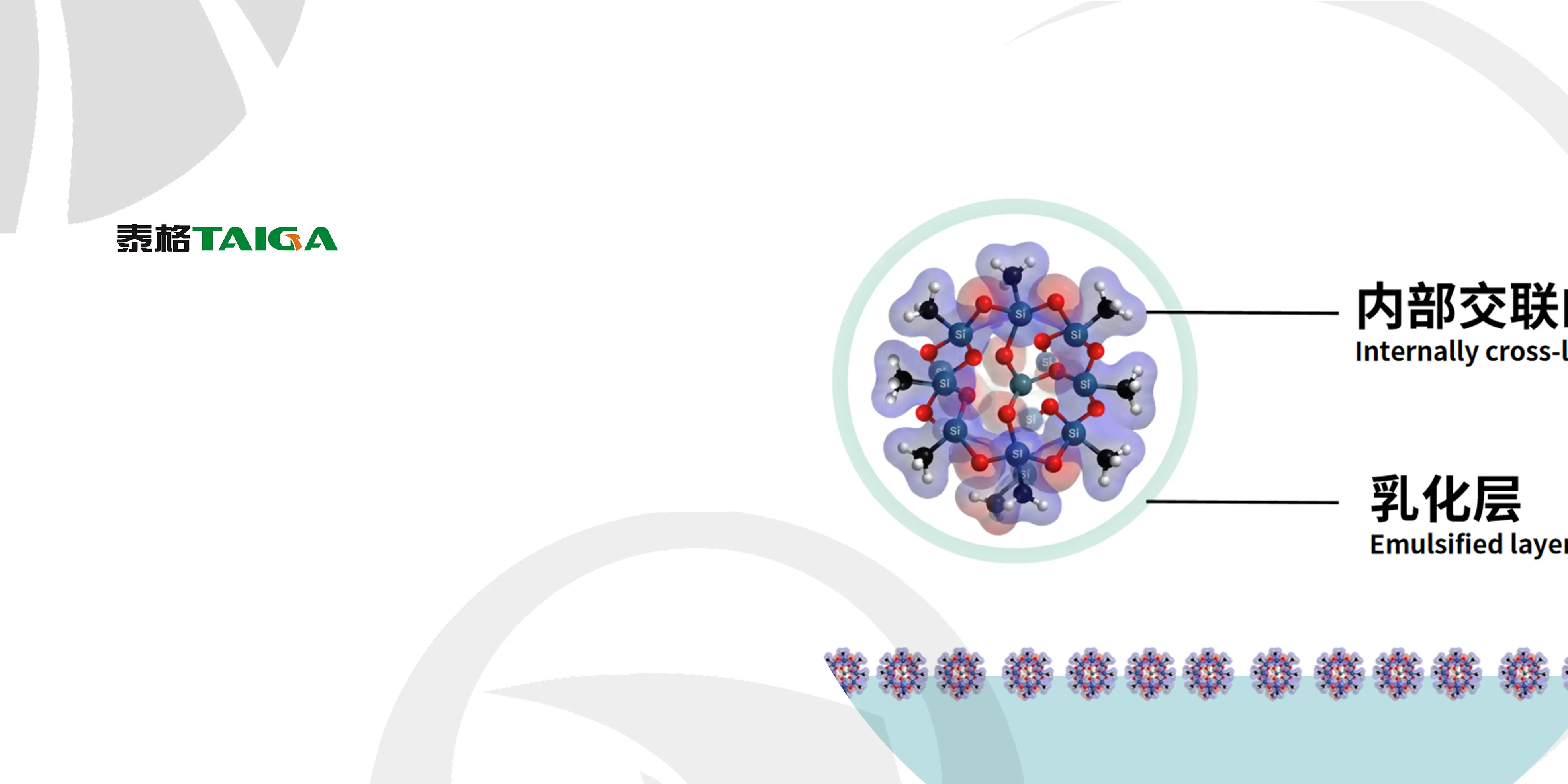
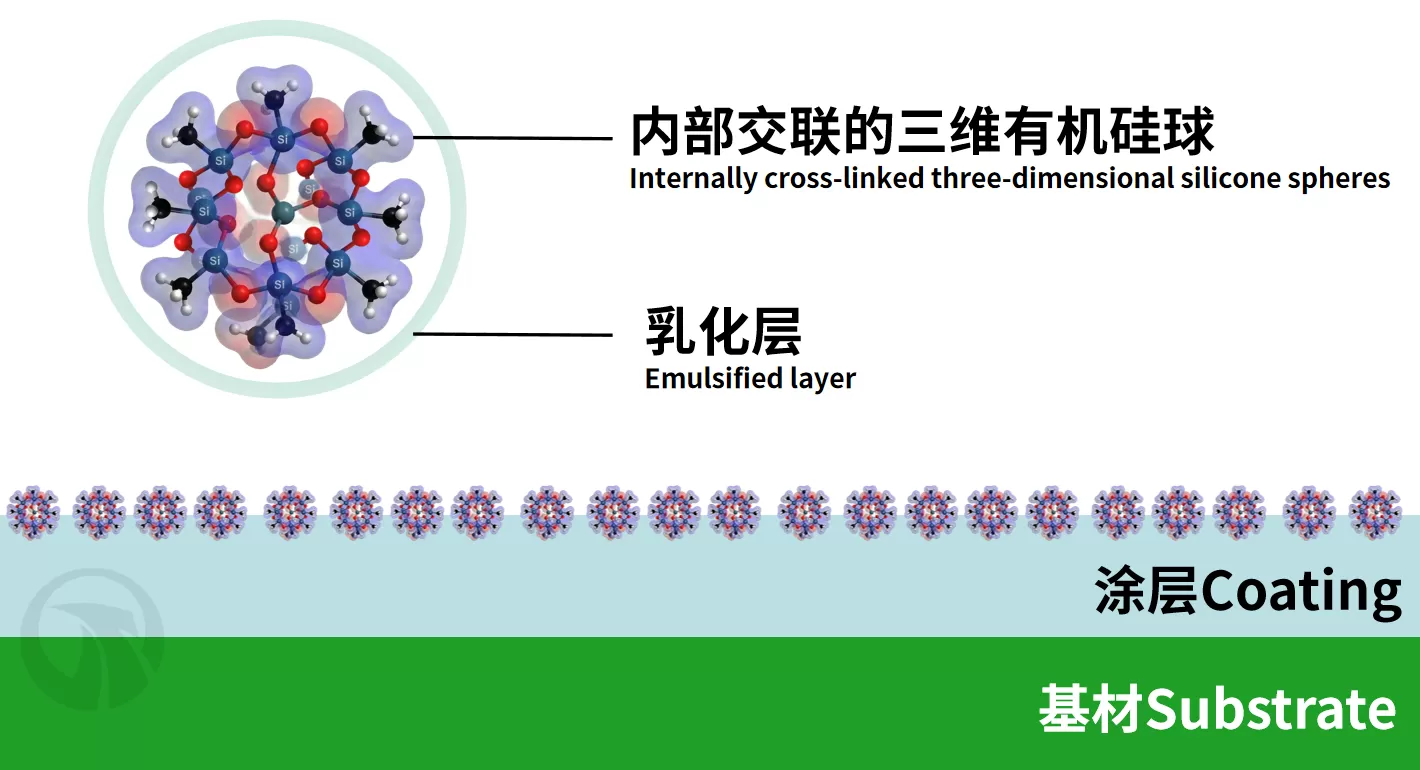
An internally cross-linked, microspherical ultra-high-molecular-weight polysiloxane emulsion exhibits greater stability at interfaces; through cross-linking, it forms a silicone film that provides excellent slip properties, scratch resistance, and wear resistance.
This three-dimensional spherical organosilicon is formed by the co-hydrolysis and condensation of siloxane structural units containing a high proportion of trifunctional (T) and tetrafunctional (Q) units in specific ratios, resulting in a prepolymer with a cage-like, ladder-like, or cross-linked network structure, and a molecular structure exhibiting a rigid-flexible hybrid morphology.
6、Water-based silicone dispersant
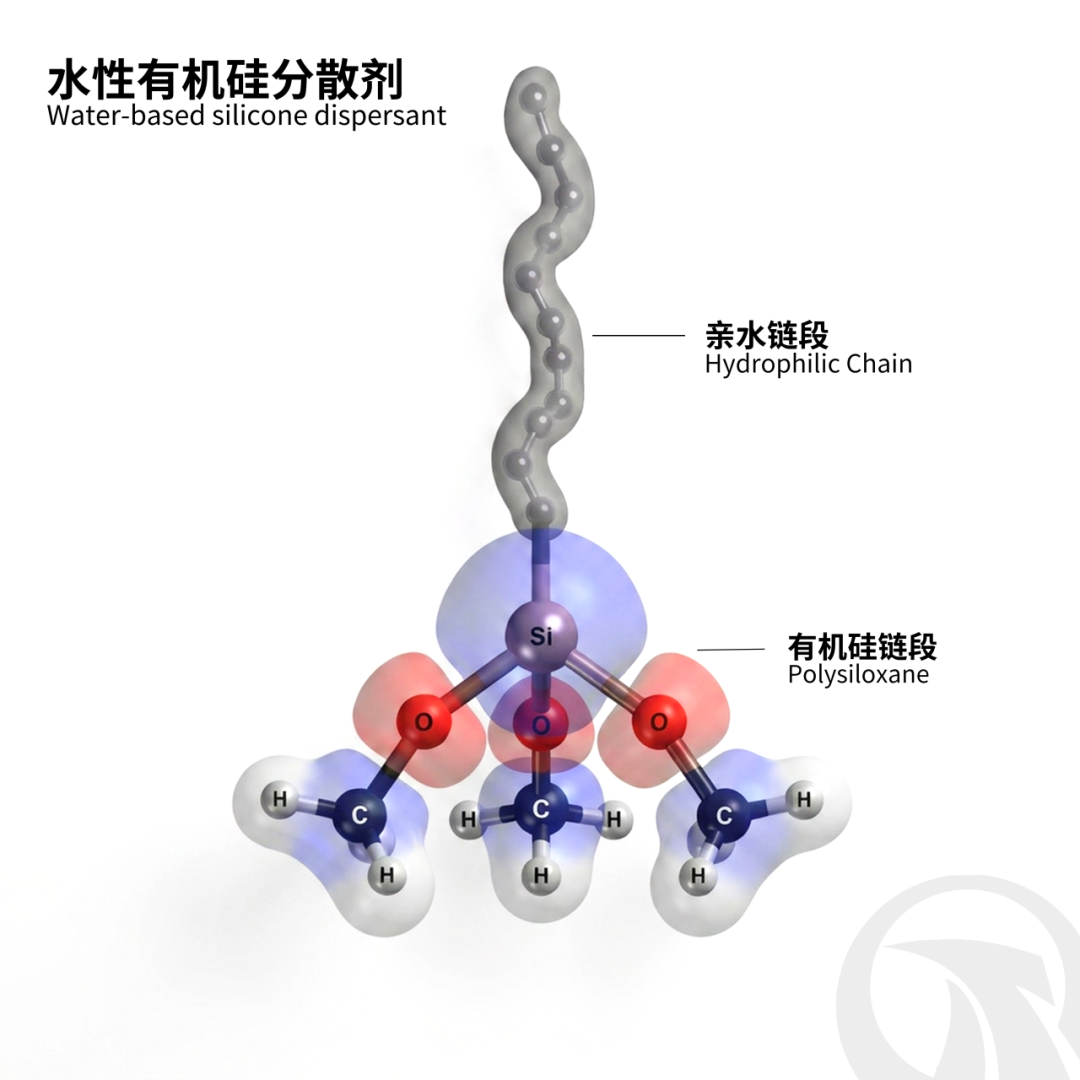
The hydrolytic properties of organosilicon compounds can be utilized to anchor them to the surfaces of inorganic pigments and fillers. After hydrolysis, the silanol groups react with the hydroxyl groups on the pigment surface through a dehydration condensation reaction, forming a covalent (Si-O-M) bond with an energy greater than 400 kJ/mol. This results in highly stable anchoring that is not easily disrupted by high temperatures, pH fluctuations, or exposure to polar solvents.
With excellent wetting properties, viscosity-reducing effects, and long-term stability, it is particularly suitable for stabilizing inorganic nanoparticles with ultra-high specific surface areas and surface energies, such as nano-iron oxide, nano-zinc oxide, and nano-silica.
7、Water-Based Adhesion Promoter
Water-based adhesion promoters anchor to the resin by introducing reactive groups at the resin-affinity end or through physical entanglement. At the substrate-affinity end, they utilize easily hydrolyzable groups (such as methoxy (-OCH₃)) on silicon atoms to form covalent bonds with inorganic substrates (such as glass and ceramics), thereby acting as a bridge between the substrate and the resin to improve the coating’s adhesion.
8、Water-based Single-Component PU Crosslinking Agent
Organosilicon crosslinking agents react with the carboxyl groups of water-based polyurethane resins through their inherent epoxy groups, undergoing a ring-opening reaction and self-crosslinking to form a film. This creates an organic-inorganic hybrid system that significantly improves the water resistance, chemical resistance, and adhesion to inorganic substrates of single-component PU coatings.
9、Water-based Highly Reactive Silicone
During the synthesis of water-based polyurethane, epoxy, and other resins, adding a specific proportion of silanol- or epoxy-functional reactive organosilicon compounds results in organosilicon-modified resins, which enhance the resins’ low-temperature flexibility, water resistance, abrasion resistance, and slip properties.
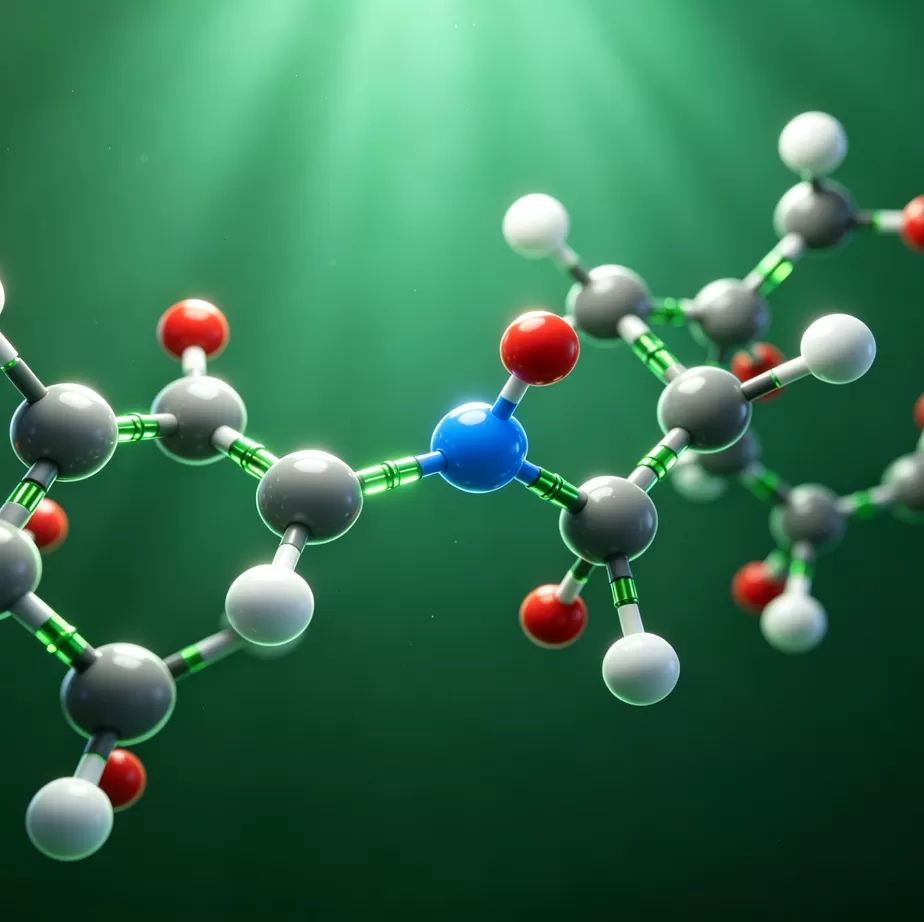
Note: The schematic diagram is for reference only and does not represent a specific product.
TAIGA Additives is your trusted partner
TAIGA Additives’ laboratory and team of experts are dedicated to developing customized solutions for our customers. Our application technology stays at the forefront of the industry, providing professional support for the various challenges associated with water-based formulations.
TAIGA Additives consistently upholds high-quality standards to provide you with exceptional products!